

Electric Oven Built In
Add a reviewOverview
-
Sectors Sales
-
Posted Jobs 0
Company Description
Guide To Ovens Built In: The Intermediate Guide In Ovens Built In
The Comprehensive Guide to Built-In Ovens: A Modern Kitchen Essential
Built-in ovens have become a staple in contemporary kitchens, combining aesthetics, performance, and area effectiveness into a single appliance. As property owners strive for both functionality and design, understanding the functions, advantages, and factors to consider of built-in ovens can substantially enhance the cooking experience. This post looks into what built-in ovens are, their different types, setup factors to consider, and FAQs to help consumers make notified choices.
What is a Built-In Oven?
A built-in oven is a kitchen appliance created to be integrated into kitchen cabinetry, developing a streamlined, cohesive look for the kitchen. Unlike freestanding ovens, which inhabit extra flooring space, built-in ovens are confined within wall units or kitchen cabinetry. They are offered in different setups and sizes, allowing for tailored options that deal with the requirements of varied households.
Kinds Of Built-In Ovens
Built-in ovens can be categorized into various types based upon their features and cooking techniques. Here are a few of the most common types:
-
Single Built-In Ovens
- Best for little kitchens and homes with modest cooking needs.
- Typically have one primary cooking compartment, creating a compact footprint.
-
Double Built-In Ovens
- Suitable for passionate cooks and bigger families.
- Functions two different cooking compartments for versatile meal preparation.
-
Wall Ovens
- Set up at eye level for simple gain access to.
- These ovens frequently feature convection innovation for even cooking results.
-
Steam Ovens
- Use steam to prepare food, preserving moisture and nutrients.
- Great for health-conscious individuals.
-
Mix Ovens
- Merge microwave and traditional oven performances.
- Offer versatility for quick meals and standard baking.
-
Italian or European Style Ovens
- Typically designed with unique looks and advanced cooking technologies.
- Popular for high-end kitchen styles.
Benefits of Built-In Ovens
Built-in ovens offer a variety of advantages that appeal to contemporary homeowners seeking both performance and visual appeals. Some of these benefits consist of:
- Space Efficiency: Built-in ovens save valuable counter area, which is especially useful in smaller sized kitchen areas.
- Improved Aesthetics: With a custom appearance, built-in ovens boost the general design of the kitchen while offering a smooth integration with cabinets.
- Versatile Cooking Capacity: Available in various sizes, these ovens deal with the cooking needs of various homes, from single residents to large families.
- Ease of access: The installation at eye level makes built-in Ovens built in much easier to gain access to, reducing the threat of spills or injuries when positioning or getting rid of hot dishes.
- Lower Energy Consumption: Many built-in ovens included energy-efficient modes that help in reducing Samsung 60cm Dual Cook Flex™ Electric Oven intake in time.
Installation Considerations
Installing a built-in oven needs mindful planning and factor to consider. Here are some aspects to remember:
- Dimensions: Before purchasing a built-in oven, determine the space readily available to ensure a correct fit. Built-in ovens been available in specific basic sizes, so it is crucial to select the best one.
- Ventilation: Adequate ventilation is needed for effective operation. Make sure there is a proper exhaust system that complies with local structure codes to avoid overheating.
- Electrical Requirements: Built-in ovens might need particular electrical outlets or wiring. Seek advice from a certified electrician to guarantee that the installation complies with safety requirements.
- Professional Installation: Although some house owners go with DIY installation, working with a specialist can help guarantee security and correct setup for optimum performance.
Maintenance Tips for Built-In Ovens
Maintaining your built-in oven not only lengthens its life-span but also makes sure effective operation. Here are some necessary maintenance tips:
-
Regular Cleaning:
- Wipe down interior surfaces after each usage to prevent accumulation.
- Use vinegar and baking soda for non-toxic cleansing.
-
Inspect Seals:
- Inspect the door seals to prevent heat loss.
- Change damaged seals immediately.
-
Test Thermostat:
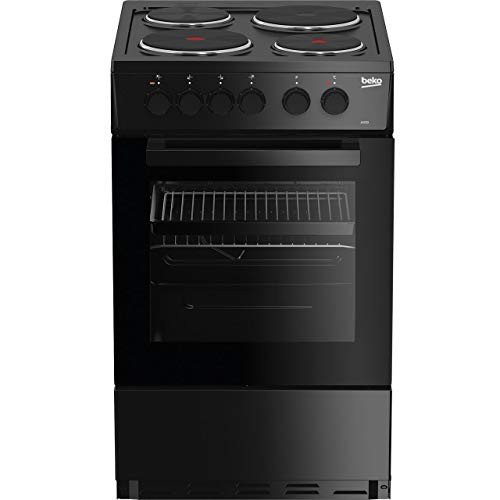
- Periodically check the temperature accuracy with an oven thermometer. Adjust settings as essential.
-
Service Annually:
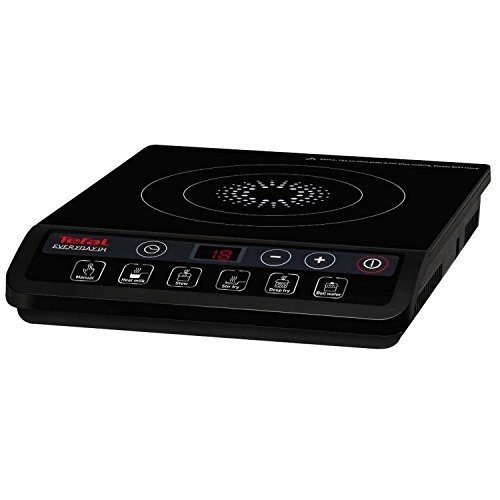
- Schedule expert upkeep once a year to examine electrical parts and guarantee safe operation.
| Maintenance Task | Frequency | Function |
|---|---|---|
| Clean interior | After each use | Prevent buildup and smells |
| Examine seals | Month-to-month | Ensure no heat escapes |
| Test thermostat | Every 6 months | Check temperature level accuracy |
| Professional service | Annually | Ensure optimal performance |
FAQs About Built-In Ovens
1. Do Hisense Built-in Electric Single Oven – Black ovens been available in different sizes?Yes, built-in ovens are readily available in different sizes to fit various kitchen configurations and cooking needs. It is necessary to measure the offered area before buying. 2. Can built-in ovens be used as routine ovens?Absolutely. Built-in ovens work like routine ovens,
enabling you to bake, broil, and prepare a variety of meals. 3. Are built-in inbuilt ovens energy-efficient? Many buy built in oven-in ovens come with energy-saving functions and are developed to use less
electricity than freestanding designs. Bosch Serie 4 Built-in Oven with 3D Hotair. The length of time does setup take?Installation time can vary based on complexity but usually ranges from 1 to 3 hours. It is suggested to employ an expert for optimum results. 5. What is the life expectancy of a built-in oven?With correct upkeep, built-in ovens can last anywhere from 10 to 15 years or longer.
Built-in ovens use a wide range of benefits for modern homes, combining benefit, energy effectiveness, and elegant design into one option.
When picking and setting up a built-in oven, it’s crucial to consider the type that best fits your cooking routines, readily available space, and aesthetic preferences. By understanding the benefits, installation requirements, and maintenance required, homeowners can raise their cooking experience and produce spectacular cooking areas that impress both family and guests alike. Investing in a built-in oven can be a useful addition that simplifies cooking, enhances home worth, and savors cooking delights for many years to come.
